
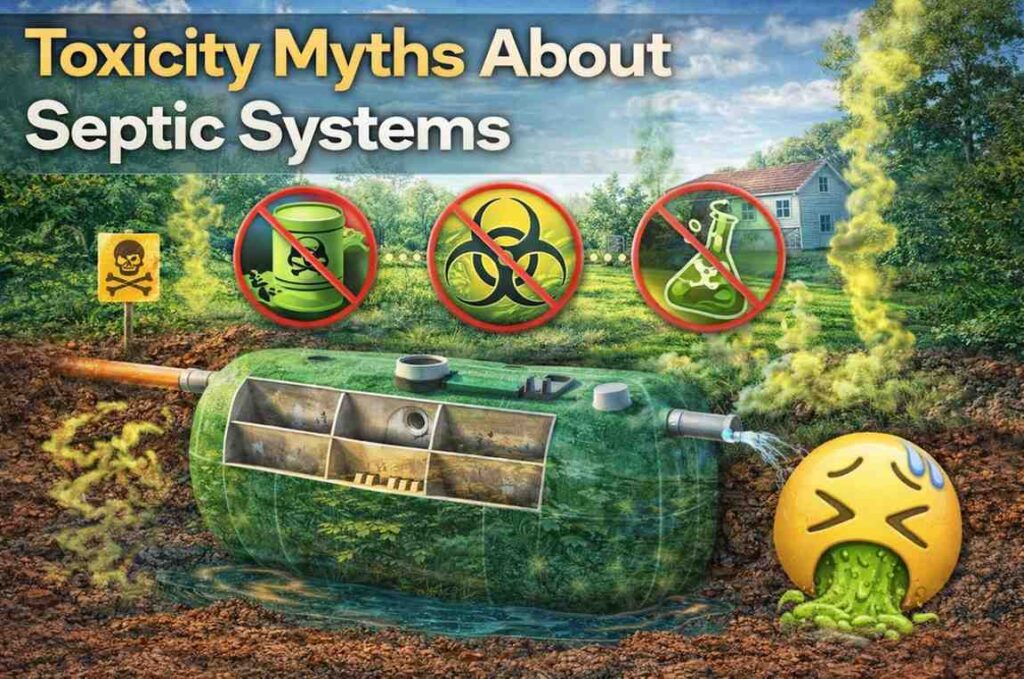
Septic systems have long been surrounded by fear and misinformation. Many homeowners believe septic tanks are toxic, dangerous, or harmful to the environment. These myths often come from outdated systems, poor maintenance cases, or simple misunderstanding.
The truth is very different: a properly designed and maintained septic system is safe, efficient, and environmentally responsible. Let’s break down the most common toxicity myths and uncover the real facts.
What Is a Septic System? (Quick Overview)
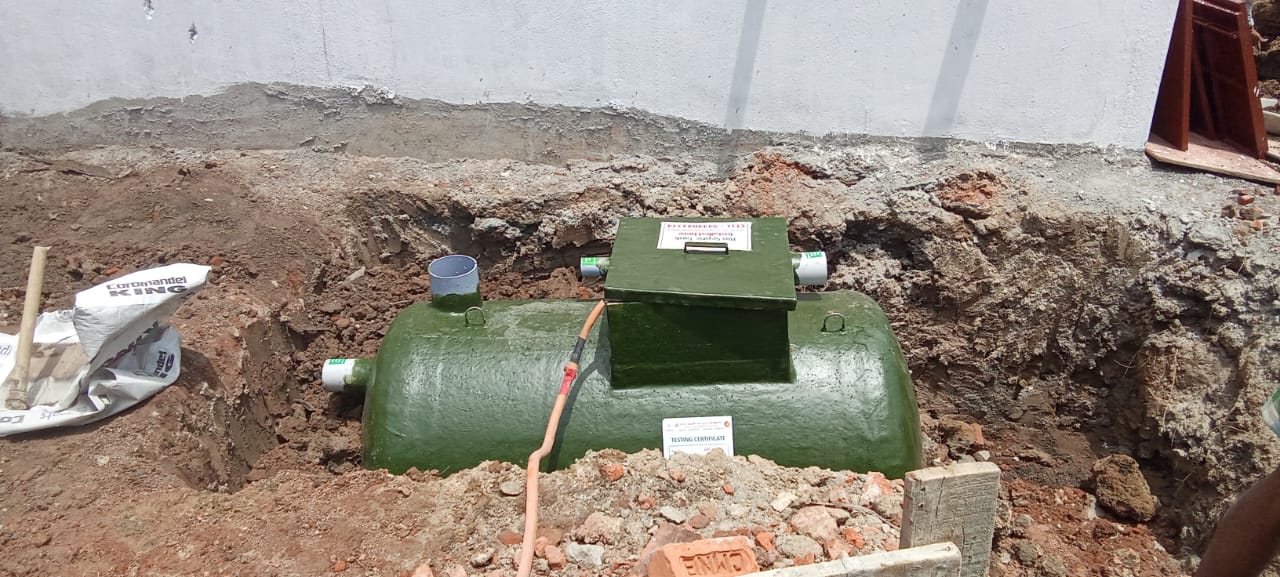
A septic system is a natural wastewater treatment setup used in homes without centralized sewage. It works in three stages:
Collection: Wastewater enters the septic tank
Separation & Treatment: Solids settle, and bacteria break down waste
Dispersal: Treated water flows into soil for natural filtration
Unlike municipal treatment plants, septic systems rely on natural bacteria, not chemicals. This is why modern systems—especially bio septic tanks—are considered eco-friendly and safe.
Myth #1: Septic Tanks Are Highly Toxic
This is the most common misconception. While septic tanks contain waste, they are not inherently toxic to residents.
A functioning system safely contains and treats wastewater underground. Risk only arises in rare situations such as:
Direct contact during improper maintenance
System overflow or failure
Entering the tank (which should never be done)
👉 Fact: Normal daily living with a septic system poses no toxicity risk.
Myth #2: Septic Systems Always Contaminate Groundwater
Many people worry that septic tanks pollute drinking water. In reality, only poorly designed or failing systems cause contamination.
Soil acts as a powerful natural filter. As treated water passes through it:
Harmful bacteria are removed
Contaminants are absorbed
Pathogens die off over time
Proper installation distance from wells (as per Indian standards) ensures safety.
👉 Fact: Groundwater contamination is a sign of failure—not normal operation.
Myth #3: Septic Tanks Constantly Release Dangerous Gases
Septic systems do produce gases like methane and hydrogen sulfide, but in a properly vented system, these gases are safely released and diluted in open air.
Gas becomes dangerous only in:
Closed or confined spaces
Poorly ventilated tanks
Maintenance without safety precautions
👉 Fact: In residential settings, septic gases are not harmful.
Myth #4: Bio Septic Tanks Use Harmful Chemicals
Modern bio septic systems are completely bacteria-based, not chemical-based.
They use natural microorganisms to break down waste, making them:
Eco-friendly
Odour-free
Low-maintenance
👉 Fact: Bio septic tanks do not rely on harmful chemicals at all.
Myth #5: Septic Waste Is Always Hazardous
Raw sewage is harmful—but septic systems treat it before release.
In modern systems:
Organic waste is broken down
Pollutants are reduced significantly
Effluent becomes safe for soil absorption
In some cases, treated water can even be reused for gardening.
👉 Fact: Treated septic water is far safer than untreated sewage.
Real Risks You Should Actually Care About
While myths are exaggerated, some real risks exist—but they are manageable.
Warning Signs:
Slow drainage
Bad odour near tank
Water pooling in yard
Sewage backup
Actual Concerns:
Poor maintenance
Chemical misuse (bleach, solvents)
Ignoring early warning signs
👉 Key Insight: Most septic problems come from neglect, not toxicity.
How to Keep Your Septic System Safe
Simple habits can eliminate almost all risks:
✅ Do:
Schedule regular inspections
Use septic-safe cleaning products
Pump tank periodically
Monitor system performance
❌ Don’t:
Pour chemicals or medicines into drains
Flush wet wipes or plastics
Ignore slow drainage
Overload the system with water
Modern bio septic tanks with smart monitoring make maintenance even easier by detecting issues early.
Septic vs Municipal Sewage — Which Is Safer?
Surprisingly, septic systems can be more eco-friendly than centralized sewage systems.
Factor | Septic System | Municipal Sewage |
|---|---|---|
Chemical use | None | High |
Energy use | Low | High |
Environmental impact | Low | Higher |
Failure impact | Local | Large-scale |
👉 Fact: A well-maintained septic system is often more sustainable.
Conclusion
Most fears about septic systems are based on outdated information or rare failure cases. The reality is simple:
Septic systems are safe when properly installed and maintained.
Modern bio septic tanks go even further—offering:
Cleaner treatment
Lower environmental impact
Minimal health risk
Instead of fearing your septic system, focus on understanding and maintaining it. With the right care, it will operate safely and efficiently for decades.
FAQS
No, septic tanks are not toxic under normal conditions. A properly maintained septic system safely treats and contains wastewater. Health risks only occur during direct exposure, system failure, or improper handling.
Not always. Groundwater contamination happens only if the system is poorly designed, damaged, or neglected. A well-installed septic system uses soil filtration to naturally purify wastewater before it reaches groundwater.
Septic tanks produce gases like methane and hydrogen sulfide, but these are safely vented in properly designed systems. They become dangerous only in enclosed or poorly ventilated spaces, not in normal residential environments.
Yes, bio septic tanks are completely eco-friendly. They use natural bacteria to treat waste without chemicals, producing cleaner effluent and reducing environmental impact compared to traditional systems.
Maintain your system regularly, avoid pouring chemicals or medicines into drains, use septic-safe cleaning products, and monitor for warning signs like slow drainage or bad odour. Proper care prevents almost all risks.