
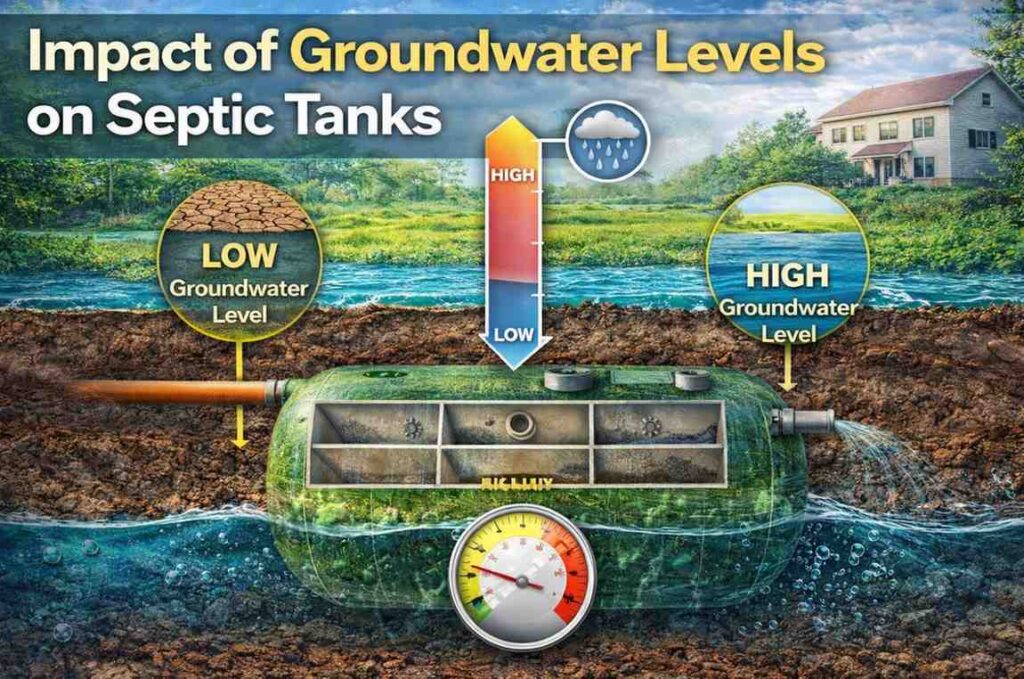
Groundwater plays a decisive role in how well a septic system performs. In regions like Chennai and other monsoon-driven areas, seasonal fluctuations in the water table can transform a properly functioning system into a failure risk within weeks. Understanding how groundwater interacts with septic tanks is essential for preventing costly repairs, contamination, and health hazards.
How Septic Systems Depend on Soil and Groundwater
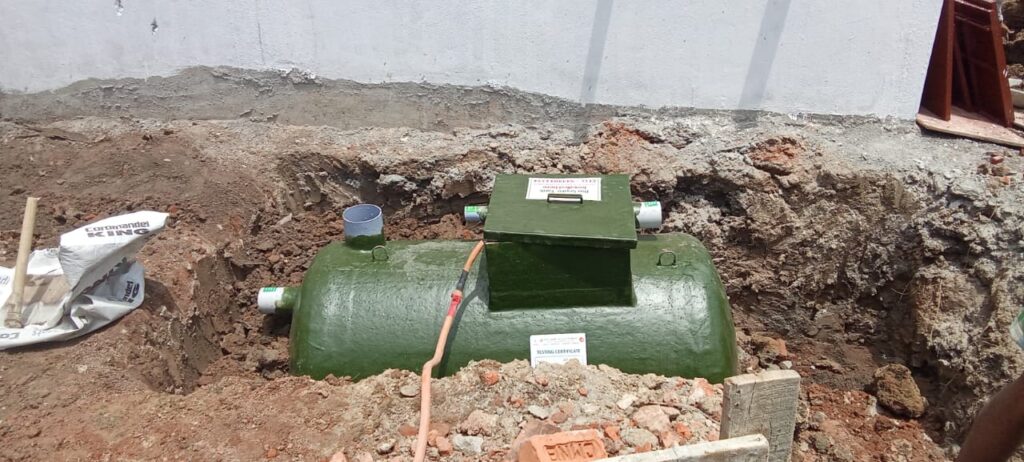
A septic system works in three stages: collection, treatment, and dispersal. Wastewater flows from the house into the septic tank, where solids settle and bacteria begin breaking down organic matter. The partially treated liquid (effluent) then moves into the drain field, where soil completes the treatment process.
The most critical factor here is the unsaturated soil layer between the drain field and the groundwater table. This layer filters contaminants, removes pathogens, and ensures safe percolation. When groundwater rises and reduces or eliminates this layer, the system loses its ability to treat wastewater effectively.
High vs Low Groundwater Levels
Groundwater levels are not constant. They rise during monsoon seasons and fall during dry months.
High groundwater level: Reduces soil filtration, increases risk of contamination, and leads to system failure
Low groundwater level: Provides better filtration and stable system performance
In cities like Chennai, water tables can rise from 5–6 meters in summer to less than 1 meter during heavy rains. This drastic change is the main cause of seasonal septic failures.
Key Problems Caused by High Groundwater
1. Drain Field Failure
When groundwater reaches the drain field, soil becomes saturated and cannot absorb effluent. This leads to slow drainage, surface pooling, and eventual system backup.
2. Groundwater Contamination
Without proper filtration, harmful substances like nitrates, bacteria, and viruses can enter groundwater directly. This contaminates wells and increases health risks such as waterborne diseases.
3. Sewage Backup
As the system loses its ability to disperse water, pressure builds up and wastewater flows back into the house through drains and toilets.
4. Tank Buoyancy
In extreme cases, a septic tank can shift or float due to high groundwater pressure, damaging pipes and connections.
5. Reduced Biological Treatment
Excess groundwater entering the tank dilutes bacterial activity, reducing treatment efficiency and increasing untreated discharge.
Role of Soil Type
Soil type determines how groundwater affects septic performance:
Sandy soil: Drains quickly but allows contaminants to travel fast
Clay soil: Holds water, leading to prolonged saturation
Loamy soil: Ideal balance for filtration and drainage
The combination of sandy soil and a high water table is particularly risky because it enables rapid contamination spread.
Minimum Safe Distance Matters
The most important design factor is the vertical separation between the drain field and the groundwater table.
Minimum recommended distance: 1.2 to 1.5 meters
Greater distance required in coastal or sandy areas
Without this buffer, the system cannot safely treat wastewater.
Solutions for High Groundwater Areas
1. Raised (Mound) Systems
These elevate the drain field above ground level, creating artificial separation from groundwater.
2. Bio Septic Systems
These advanced systems produce cleaner effluent, reducing dependence on soil filtration and improving performance in fluctuating groundwater conditions.
3. Aerobic Treatment Units (ATUs)
These provide higher-level treatment and are suitable for challenging sites, though more expensive.
4. Proper Drainage Management
Surface grading and drainage systems can reduce water accumulation around the septic area.
5. Tank Anchoring
Prevents structural damage or flotation in high water table zones.
Importance of Groundwater Assessment
One of the biggest mistakes homeowners make is relying on dry-season inspections. A septic system installed when groundwater is low may fail during monsoon months.
A proper assessment should include:
Soil profile analysis
Seasonal water table measurement
Local groundwater data review
Simple observation wells can help monitor water table changes over time.
Health and Environmental Risks
Failing septic systems don’t just affect one household. Contaminated groundwater can impact entire communities. Common risks include:
Drinking water contamination
Spread of diseases like E. coli infection
Nutrient pollution causing algae growth in lakes
These risks are especially high in densely populated or flood-prone areas.
Conclusion
Groundwater is not the enemy of septic systems—but ignoring it is. The performance of any septic system depends on maintaining proper separation between the drain field and the water table. In monsoon-prone regions, this requires careful planning, appropriate system selection, and ongoing monitoring.
By understanding groundwater behavior, choosing the right system, and maintaining it properly, homeowners can avoid system failure, protect their health, and safeguard the environment.
FAQS
Groundwater levels directly impact how well a septic system can treat wastewater. When the water table is high, it reduces the soil’s ability to filter effluent, leading to poor treatment, system overload, and possible failure. When groundwater is low, the system performs efficiently due to better soil filtration.
Common warning signs include:
Slow drainage in sinks and toilets
Bad odour around the drain field
Water pooling on the ground
Sewage backup inside the house
These usually indicate that rising groundwater has saturated the drain field.
Yes. If the water table is too close to the drain field, untreated or partially treated wastewater can enter groundwater directly. This can contaminate wells with bacteria (like E. coli), nitrates, and other harmful substances, posing serious health risks.
The recommended minimum separation is 1.2 to 1.5 meters between the drain field base and the seasonal high water table. In sandy or coastal areas, a greater distance may be required for safety.
For areas with high or fluctuating water tables:
Bio septic systems are the most effective
Raised (mound) systems provide better separation
Aerobic Treatment Units (ATUs) offer advanced treatment
These options reduce contamination risk and improve system reliability during monsoon seasons.