
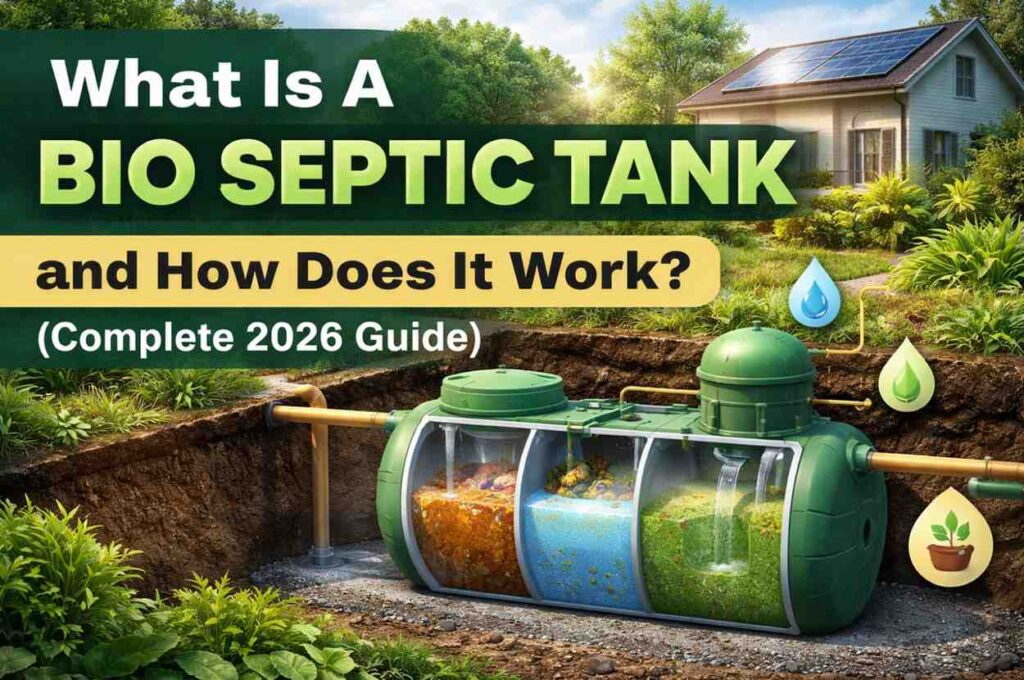
Ever wondered where your household wastewater goes after it disappears down the drain? For millions of people without municipal sewer access, the answer lies underground in a septic system. But there’s a revolutionary upgrade happening right now that transforms wastewater management from a necessary evil into an opportunity for sustainability. Enter the bio septic tank—a game-changing technology that doesn’t just handle your wastewater; it converts it into valuable resources you can actually use.
Traditional septic tanks simply store and partially treat waste before releasing it into drain fields. They’re passive, inefficient, and frankly, a bit outdated. Bio septic tanks flip this entire concept on its head. These innovative systems actively break down organic waste through anaerobic digestion, producing cooking gas for your stove, nutrient-rich water for your garden, and organic fertilizer for your soil. Imagine preparing dinner with biogas production generated from yesterday’s food scraps. That’s not science fiction—it’s happening in homes across the globe right now.
This comprehensive guide walks you through everything you need to know about what is a bio septic tank and how bio septic tanks work. We’ll explore the complete bio septic tank system, compare septic tank vs bio septic tank options, break down costs, and help you decide if this technology makes sense for your property. Whether you’re building a new home, replacing an aging septic system, or simply curious about sustainable living, you’ll find actionable information here.
What Is a Bio Septic Tank?
So, what is a bio septic tank exactly? A bio septic tank represents the next evolution in wastewater management technology. Unlike conventional septic systems that simply store and settle waste, bio septic tanks actively transform organic matter and wastewater into three usable resources: biogas for cooking energy, treated water for irrigation, and organic fertilizer for gardens. Think of it as a miniature recycling facility right in your backyard, working 24/7 to turn what most people consider waste into valuable household resources.
The “bio” in bio septic tank refers to the biological processes at the heart of the system. Specially cultivated bacteria colonies live inside the tank, breaking down organic waste through anaerobic digestion—decomposition that happens without oxygen. This natural process has existed for millions of years in swamps and bogs. What’s revolutionary is engineering this into a contained, efficient bio septic tank system for household use.
Modern GGBE bio septic tanks and FRP bio septic tanks utilize advanced materials and designs to maximize efficiency while ensuring durability. The tank itself—typically made from durable materials like concrete, fiberglass (FRP), or high-grade plastic—contains multiple chambers where different stages of treatment occur. FRP bio septic tanks are particularly popular due to their lightweight construction, superior corrosion resistance, and ease of installation compared to traditional concrete options. These represent some of the most common types of septic tanks available today.
Key Components That Make Bio Septic Tanks Work
Understanding how does a bio septic tank work starts with knowing the key components. The main digestion chamber is where the magic happens. Organic waste and wastewater enter this sealed environment, creating perfect conditions for anaerobic digestion bacteria to thrive. Temperature-sensitive organisms work best between 68-95°F (20-35°C), breaking down complex organic compounds into simpler substances that produce valuable biogas production.
Bacterial cultures serve as the microscopic workers of your GGBE bio septic tank system. Methanogenic bacteria convert organic matter into methane gas through anaerobic digestion, while other bacterial strains handle different aspects of waste breakdown. These beneficial organisms work continuously, requiring no electricity or external energy to function—making the bio septic tank incredibly efficient.
The gas collection system captures biogas as bacteria digest organic waste. This gas—primarily methane and carbon dioxide—rises naturally to the top of the digestion chamber where a collection dome captures it. Pressure-regulated pipes then transport the gas safely to your kitchen stove or other appliances, providing reliable cooking energy for your household.
Septic Tank vs. Bio Septic Tank – What Are The Differences?
Understanding the septic tank vs bio septic tank distinction helps you make informed decisions about which system suits your needs best. This comparison reveals why bio septic tanks represent a significant upgrade in wastewater management.
Treatment Process Comparison
Traditional septic tanks operate on a passive treatment model. Wastewater flows into the tank where gravity does most of the work. Solids settle to the bottom forming sludge, oils float to the top creating scum, and relatively clear water sits in between. This represents one of the basic types of septic tanks that has been used for decades.
Bio septic tanks take an active approach to wastewater management. Instead of relying primarily on settling, these systems employ carefully managed bacterial colonies that actively consume and transform organic matter through anaerobic digestion. The process achieves far more thorough treatment than passive settling ever could.
Feature | Traditional Septic Tank | Bio Septic Tank |
|---|---|---|
Treatment Method | Passive settling | Active anaerobic digestion |
Treatment Efficiency | 40-60% reduction | 80-95% reduction |
Biogas Production | None | 2-4 hours cooking gas daily |
Water Quality | Needs soil filtration | Suitable for irrigation |
Emptying Frequency | Every 3-5 years | Every 7-10 years |
Resource Recovery | None | Cooking energy, water, fertilizer |
Energy Production Through Biogas Production
Here’s where bio septic tanks truly distinguish themselves in the septic tank vs bio septic tank debate. Traditional systems produce zero usable cooking energy—in fact, they often release methane directly into the atmosphere where it contributes to climate change. Bio septic tanks transform this liability into an asset through active biogas production.
A typical household GGBE bio septic tank processing organic waste from a family of four plus kitchen scraps can generate 2-4 hours of cooking gas daily through efficient anaerobic digestion. That’s enough to prepare most meals without touching conventional energy sources. The biogas production from your bio septic tank system provides genuine cooking energy that replaces propane or natural gas. Over a 20-year system lifespan, we’re talking about $12,000-36,000 in energy savings at current prices.
Environmental Impact and Wastewater Management
The environmental comparison in wastewater management isn’t even close when examining septic tank vs bio septic tank systems. Traditional septic systems can contaminate groundwater with nitrates, phosphates, and pathogens. Bio septic tanks dramatically reduce these risks through superior organic waste treatment via anaerobic digestion. The process removes 70-90% of nitrogen and 60-80% of phosphorus—the primary nutrients that cause water quality problems.
FRP bio septic tanks offer additional environmental benefits through their manufacturing process. Fiberglass reinforced plastic construction requires less energy to produce than concrete, won’t corrode or leach chemicals into groundwater, and maintains structural integrity for 40-50 years without degradation. This makes FRP bio septic tanks among the most durable types of septic tanks available.
How Does a Bio Septic Tank Work?
Understanding exactly how does a bio septic tank work helps you appreciate the elegant engineering behind these wastewater management systems. The working process of a bio septic tank combines time-tested biological principles with modern technology to transform organic waste into valuable resources.
Step 1: Wastewater and Organic Waste Entry
Everything begins when wastewater and organic materials enter your bio septic tank system. This includes toilet waste, sink and shower water, kitchen scraps, and depending on your setup, possibly garden trimmings. The innovation in how bio septic tanks work happens in how the system receives and processes this input for optimal biogas production.
Wastewater enters through standard plumbing connections—nothing changes in your home’s existing infrastructure. Most GGBE bio septic tanks feature a receiving chamber where incoming organic waste undergoes initial mixing and temperature stabilization. This matters because the bacterial cultures performing anaerobic digestion downstream need relatively consistent conditions to thrive and maximize biogas production.
Adding kitchen scraps and other organic waste supercharges your bio septic tank system’s performance. Food waste, vegetable peels, coffee grounds, eggshells—all of this becomes feedstock for cooking energy generation through anaerobic digestion. Many homeowners install a disposal chute that connects directly to the tank, making it simple to divert organic waste from trash bins to energy production.
Step 2: Anaerobic Digestion Process
Once material enters the main digestion chamber, anaerobic digestion takes center stage in how a bio septic tank works. This biological process occurs in four distinct phases, each carried out by different bacterial communities working in harmony to break down organic waste and generate biogas production.
Hydrolysis kicks off the anaerobic digestion process. Complex organic polymers—proteins, fats, and carbohydrates—get broken down into simpler components. Acidogenesis follows quickly as bacteria convert these into volatile fatty acids. Acetogenesis sees these acids transformed into acetic acid and hydrogen. Finally, methanogenesis produces the methane that makes biogas production valuable for cooking energy.
The entire anaerobic digestion cycle takes 15-30 days from start to finish, depending on temperature, organic waste composition, and system design. This is why GGBE bio septic tanks and FRP bio septic tanks need adequate volume—organic matter needs sufficient residence time for complete digestion and optimal biogas production.
Step 3: Biogas Production and Collection
As bacteria work through anaerobic digestion, biogas production bubbles up continuously from the digesting slurry of organic waste. This gas mixture is roughly 55-70% methane, giving it excellent energy value for cooking gas applications. The methane content makes it flammable and allows it to burn with a clean blue flame similar to natural gas.
The gas rises naturally to the top where a collection dome captures it. From there, pressure-regulated pipes transport the cooking gas safely to your kitchen. Modern FRP bio septic tanks include advanced gas collection systems with safety features like flame arrestors and pressure relief valves that ensure safe biogas production and delivery.
A typical household bio septic tank system can expect to produce 0.3-0.6 cubic meters of biogas daily through efficient anaerobic digestion of organic waste—enough for 2-4 hours of cooking energy on a standard gas stove. That’s sufficient to prepare most family meals without touching conventional energy sources, demonstrating exactly how bio septic tanks work to provide energy independence.
Step 4: Wastewater Treatment and Water Recycling
While biogas production grabs headlines, the wastewater management capabilities of bio septic tanks deserve equal attention. After anaerobic digestion breaks down organic solids, the remaining liquid undergoes purification that transforms it into clear effluent suitable for irrigation—another key aspect of how does a bio septic tank work.
The treatment leverages multiple mechanisms working together. Pathogen destruction occurs through time and temperature during anaerobic digestion. Extended retention times naturally reduce pathogen populations by 90-99%. Settling and clarification occur in a dedicated zone where heavier particles sink while lighter liquids rise. Filtration stages provide final polishing before water exits the bio septic tank system.
The result is treated water that looks surprisingly clear—similar to stream water. While not potable, this effluent meets irrigation standards in most jurisdictions. It contains residual nutrients that benefit plants, making it particularly valuable for gardens and landscaping. This efficient wastewater management reduces freshwater consumption by 30-50% for many households.
Step 5: Sludge Management and Fertilizer Production
Even with efficient anaerobic digestion, some solid material remains as bio-sludge. But this isn’t foul-smelling sewage. Bio-sludge from your GGBE bio septic tank or FRP bio septic tank is stable, odor-reduced organic matter rich in nutrients that makes excellent fertilizer for ornamental gardens, orchards, and landscaping.
The anaerobic digestion process transforms sludge character completely. What remains resembles high-quality compost more than sewage. Bio-sludge contains 2-4% nitrogen, 1-3% phosphorus, and 0.5-1% potassium—nutrients that plants crave. One cubic yard represents $100-200 worth of commercial fertilizer value.
Do Bio Septic Tanks Need to Be Emptied?
A common question about bio septic tanks is: do bio septic tanks need to be emptied? Yes, bio septic tanks eventually need emptying, but far less frequently than traditional systems—a major advantage in the septic tank vs bio septic tank comparison.
Where conventional types of septic tanks require pumping every 3-5 years, GGBE bio septic tanks and FRP bio septic tanks often operate 7-10 years between removals due to superior anaerobic digestion efficiency. Active digestion reduces sludge volume by 50-70% compared to traditional systems. This means you’re accumulating half to one-third as much material for the same inputs.
Do bio septic tanks need to be emptied as often as traditional systems? Absolutely not. The efficient anaerobic digestion of organic waste in your bio septic tank system means significantly longer intervals between maintenance. When emptying time arrives, you’re not dealing with waste disposal—you’re harvesting valuable organic fertilizer.
The economic value of this timing difference adds up significantly. Pumping services cost $400-800 per visit. Doing this every 8 years instead of every 4 years cuts your lifetime maintenance costs in half while providing premium fertilizer for your property.
Common Types of Septic Tanks
Understanding the various types of septic tanks available helps clarify where bio septic tanks fit in the wastewater management landscape. Each system type has specific applications and advantages.
Traditional Septic Tanks
Conventional gravity-fed systems represent the most basic types of septic tanks for wastewater management. These tanks rely on passive settling and soil filtration. They’re simple and proven but offer no biogas production or resource recovery.
Aerobic Treatment Units (ATUs)
These systems inject oxygen into wastewater, using aerobic bacteria instead of anaerobic digestion. They achieve better treatment than traditional tanks but require electricity, produce no cooking energy, and cost more to operate than bio septic tanks.
Bio Septic Tanks - The Advanced Solution
Bio septic tanks represent the most advanced types of septic tanks for comprehensive wastewater management. Through anaerobic digestion, they process organic waste to generate biogas production for cooking energy, treat water for irrigation, and produce fertilizer. Both GGBE bio septic tanks and FRP bio septic tanks excel in this category.
FRP bio septic tanks offer lightweight construction and corrosion resistance, while GGBE bio septic tanks provide robust performance with advanced biogas production capabilities. These systems answer the question what is a bio septic tank by demonstrating complete resource recovery from wastewater management.
Final Thoughts
Bio septic tanks represent a fundamental shift in wastewater management. Instead of viewing organic waste as a problem requiring disposal, these innovative systems recognize it as a resource waiting to be unlocked through anaerobic digestion. The technology transforms your household’s wastewater and organic waste into cooking gas, irrigation water, and garden fertilizer—closing resource loops while reducing environmental impact.
Understanding what is a bio septic tank and how does a bio septic tank work reveals why these systems outperform other types of septic tanks. The septic tank vs bio septic tank comparison consistently favors bio systems for biogas production, treatment efficiency, and resource recovery.
Whether you choose a concrete system, a lightweight FRP bio septic tank, or an advanced GGBE bio septic tank, you’re investing in technology that pays dividends for decades through cooking energy savings, reduced maintenance, free fertilizer, and water conservation.
For homeowners serious about sustainability, energy independence, or smart resource management, bio septic tank systems offer proven solutions backed by decades of real-world use. They work in diverse climates, scale to various household sizes, and integrate seamlessly with existing infrastructure.
FAQS
A bio septic tank is an advanced wastewater treatment system that uses anaerobic bacteria to break down organic waste. It converts sewage into biogas for cooking, treated water for irrigation, and nutrient-rich fertilizer through anaerobic digestion.
The main difference is treatment efficiency and resource recovery. A traditional septic tank passively stores waste, while a bio septic tank actively digests waste using bacteria, producing cooking gas, reusable water, and organic fertilizer.
Yes, but much less frequently than conventional systems. Bio septic tanks typically require emptying every 7–10 years, compared to 3–5 years for traditional septic tanks, because anaerobic digestion reduces sludge volume significantly.
A household bio septic tank can generate approximately 0.3–0.6 cubic meters of biogas daily, which is enough for 2–4 hours of cooking gas per day, depending on family size and organic waste input.
Yes. The treated effluent from a properly designed bio septic tank is suitable for gardening and irrigation. It contains nutrients beneficial for plants but is not recommended for drinking purposes.