

Sarah Mitchell thought her septic system was fine. It had worked for years without visible problems. Then a home inspection revealed nitrate contamination in her well water—traced back to her aging traditional septic tank. The home sale collapsed, and repair estimates crossed ₹15 lakhs.
That’s when she began researching bio septic tank benefits—and discovered how modern residential wastewater management could have prevented the entire issue.
If you’re exploring why install a bio septic tank, you’re likely building a new home, upgrading a failing septic system, or looking for an eco-friendly wastewater system that protects both your investment and the environment.
The benefits of installing a bio septic tank go far beyond sewage treatment. They impact your property value, long-term costs, health safety, and environmental responsibility.
Let’s explore the 15 key advantages homeowners are choosing in 2026.
What Is a Bio Septic Tank?
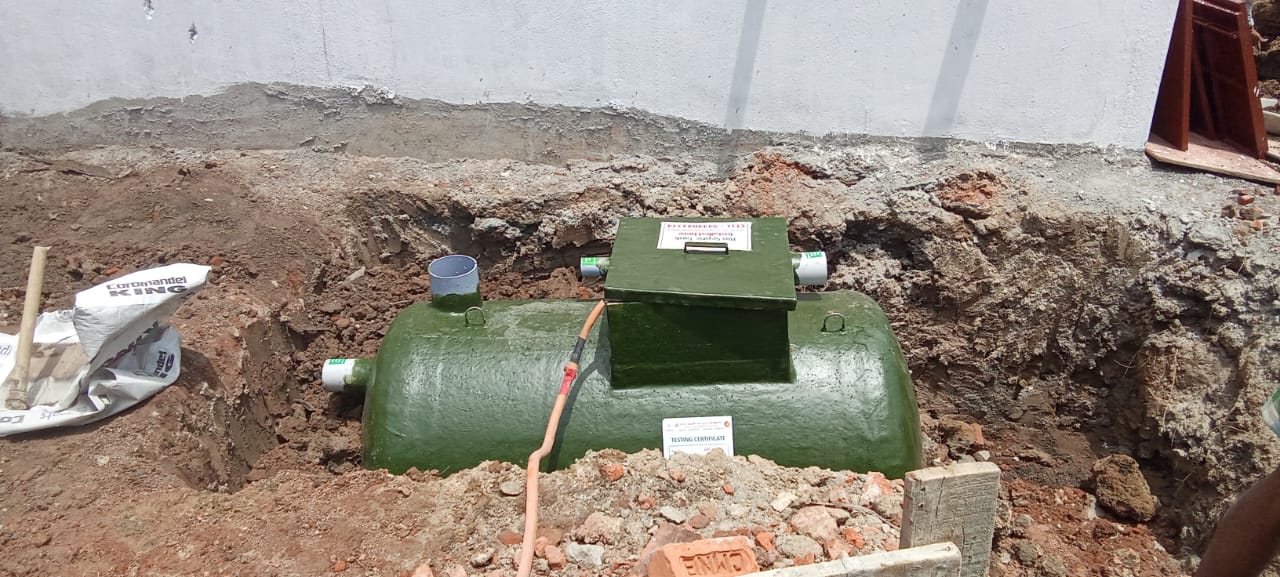
A bio septic tank for home wastewater treatment is an advanced system that uses aerobic bacteria (oxygen-loving microorganisms) to treat wastewater more efficiently than traditional septic systems.
Unlike conventional anaerobic tanks, bio septic systems introduce oxygen into the chamber, accelerating organic waste breakdown and enabling efficient waste decomposition.
The result:
Up to 95% pollutant removal
High treatment efficiency
Reduced sludge accumulation
Cleaner, reusable water
This makes bio septic tanks a true sustainable sewage treatment solution.
15 Benefits of Installing a Bio Septic Tank
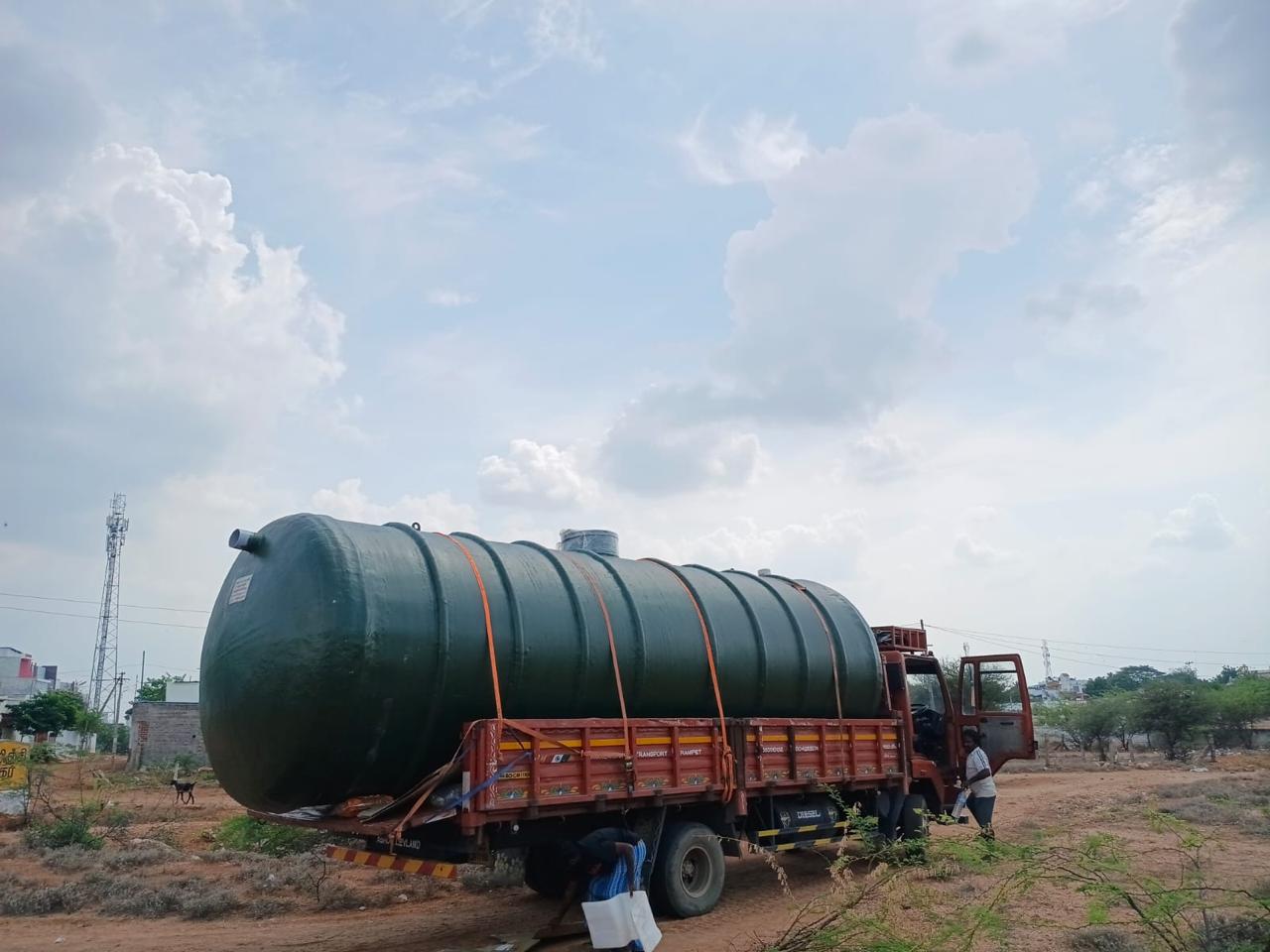
1. Superior Groundwater Protection
Traditional septic systems remove only 30–50% of contaminants. Bio septic tanks remove up to 90–95%, significantly improving groundwater contamination prevention.
This is especially important for homes using borewells or open wells.
2. High Treatment Efficiency
Aerobic bacteria work 20–30 times faster than anaerobic bacteria. This leads to faster stabilization of waste and dramatically cleaner effluent.
High treatment efficiency means safer discharge and reduced environmental impact.
3. Odor-Free Septic Operation
One of the most noticeable bio septic tank advantages is the elimination of foul smells.
Traditional tanks release hydrogen sulfide gas (rotten egg odor). Bio septic tanks operate in oxygen-rich environments, preventing odor formation.
4. Compact Septic Tank Design
Traditional systems require large drainfields, often occupying significant yard space.
Bio septic systems offer a compact septic tank design, making them the perfect small plot sewage solution for:
Urban homes
Villas
Farmhouses
Compact residential projects
You reclaim usable land while maintaining efficiency.
5. Reduced Sludge Removal Needs
Because of superior bacterial action, sludge builds up much slower.
This results in:
Minimal pumping requirements
Reduced sludge removal needs
Lower long-term maintenance burden
Homeowners appreciate fewer service interruptions.
6. Lower Risk of Drainfield Failure
Drainfield replacement can cost lakhs and disrupt landscaping.
Bio septic tanks reduce soil clogging and lower the risk of drainfield blockage due to their cleaner effluent output.
Avoiding major repair costs makes them a more cost-effective septic system in the long run.
7. Safe Water Reuse for Irrigation
With proper filtration, treated water can support water reuse for irrigation.
This enables:
Garden watering
Lawn irrigation
Landscaping maintenance
Supporting wastewater recycling and reuse reduces freshwater demand and water bills.
8. Environmentally Friendly Septic Option
Traditional systems produce methane gas, a powerful greenhouse gas.
Bio septic tanks produce minimal harmful emissions, making them a cleaner and more environmentally friendly septic option.
They align with green building practices and sustainable living goals.
9. Works in Challenging Soil Conditions
Clay soil, rocky terrain, and high water tables often make traditional systems expensive or impractical.
Bio septic tanks function independently of soil percolation rates, making them ideal for difficult sites.
This expands development possibilities for rural and semi-urban properties.
10. Increased Property Value
Modern infrastructure increases buyer confidence.
Homes with advanced wastewater systems are seen as future-ready. Buyers appreciate systems that offer:
Compliance with modern standards
Reduced maintenance concerns
Lower environmental risk
This improves marketability and resale value.
11. Better Health Protection
Superior pathogen removal ensures safer discharge.
Bio septic systems reduce bacteria, viruses, and harmful contaminants, protecting family health and community water sources.
This is particularly important for benefits for rural sewage systems where groundwater is the primary water source.
12. Predictable Maintenance Costs
Traditional septic systems often fail without warning.
Bio septic tanks typically include monitoring systems and scheduled servicing, offering predictable maintenance costs instead of sudden emergency expenses.
13. Faster Waste Stabilization
Efficient waste decomposition ensures solids break down quickly.
This stabilizes the system, prevents overflow issues, and maintains consistent performance over time.
14. Compliance with Modern Environmental Regulations
Environmental standards are tightening in many regions.
Bio septic tanks meet stricter discharge norms, making them ideal for:
Coastal areas
High-density developments
Eco-sensitive zones
Installing an advanced system ensures long-term compliance.
15. Long-Term Cost Savings
Although initial installation may be slightly higher than conventional systems, lifecycle costs often favor bio septic tanks.
Savings come from:
Reduced pumping
Lower risk of major repairs
Water reuse benefits
Increased resale value
Over 20 years, these factors contribute to significant long-term cost savings.
Final Thoughts
Choosing a septic system is not just about waste disposal—it’s about long-term environmental responsibility and financial planning.
The benefits of installing a bio septic tank include:
Sustainable sewage treatment
High treatment efficiency
Groundwater contamination prevention
Odor-free septic operation
Compact septic tank design
Water reuse for irrigation
Reduced sludge removal needs
Increased property value
In 2026, homeowners are thinking ahead. They want smarter infrastructure, cleaner systems, and reliable performance.
A bio septic tank is no longer a luxury upgrade—it is becoming the standard for responsible residential wastewater management.
If you’re building new or upgrading an old system, investing in a modern bio septic tank ensures protection for your property, your family, and your future.
FAQS
The main benefits of installing a bio septic tank include high treatment efficiency, groundwater contamination prevention, odor-free septic operation, reduced sludge removal needs, compact septic tank design, and long-term cost savings. Unlike traditional systems, bio septic tanks use aerobic bacteria to break down waste faster and produce cleaner effluent, making them an eco-friendly wastewater system suitable for modern homes.
A bio septic tank protects groundwater by removing up to 90–95% of pollutants before discharge. The aerobic treatment process reduces harmful bacteria, nitrates, and organic waste more effectively than conventional septic systems. This significantly lowers the risk of groundwater contamination, especially in rural areas where homes rely on borewells and open wells for drinking water.
Yes, in most cases a bio septic tank is better than a traditional septic system. It offers higher treatment efficiency, fewer odor issues, lower risk of drainfield failure, and better environmental performance. While installation costs may be slightly higher, bio septic tanks often provide long-term cost savings due to reduced maintenance and improved durability.
Yes, treated water from a bio septic tank can be reused for irrigation, gardening, and landscaping when properly filtered. Because of its advanced treatment process, the system supports wastewater recycling and reuse, reducing freshwater consumption and supporting sustainable sewage treatment practices.
A bio septic tank typically requires annual servicing to check the aerator, filters, and system performance. However, due to efficient waste decomposition, it has minimal pumping requirements compared to traditional systems. Sludge removal is needed less frequently, making it a low maintenance septic solution with predictable service costs.