

Choosing the right wastewater treatment system in 2026 is no longer just a plumbing decision—it’s a financial and environmental strategy. Whether you’re building a new home, upgrading an outdated setup, or comparing biodigester vs septic tank options, understanding the real long-term costs matters more than ever.
At first glance, a traditional septic system may seem cheaper. But when you factor in maintenance, environmental risks, land requirements, and future regulations, the answer becomes more complex. Let’s break down the difference between biodigester and septic tank systems and see which one truly saves you more money.
What Is a Traditional Septic System?
A traditional septic tank system works using gravity and anaerobic bacteria treatment. Wastewater from toilets, sinks, and showers flows into an underground tank. Inside, solids settle at the bottom forming sludge, oils float to the top forming scum, and partially treated liquid exits into a drainfield.
The septic tank working mechanism depends heavily on soil conditions. The drainfield filters wastewater naturally as it percolates through the ground. While this method has been used for decades, the waste decomposition process is slow and not fully efficient.
Traditional Septic Tank Disadvantages
- Requires large drainfield space
- Higher sludge removal frequency (every 3–5 years)
- Risk of groundwater contamination
- Odor issues
- Drainfield failure risk
- Limited nitrogen removal
- Because it relies on soil absorption, any issue with soil quality can lead to system failure. Repairing or replacing a failed drainfield is one of the most expensive septic-related expenses.
What Is a Bio Septic Tank?
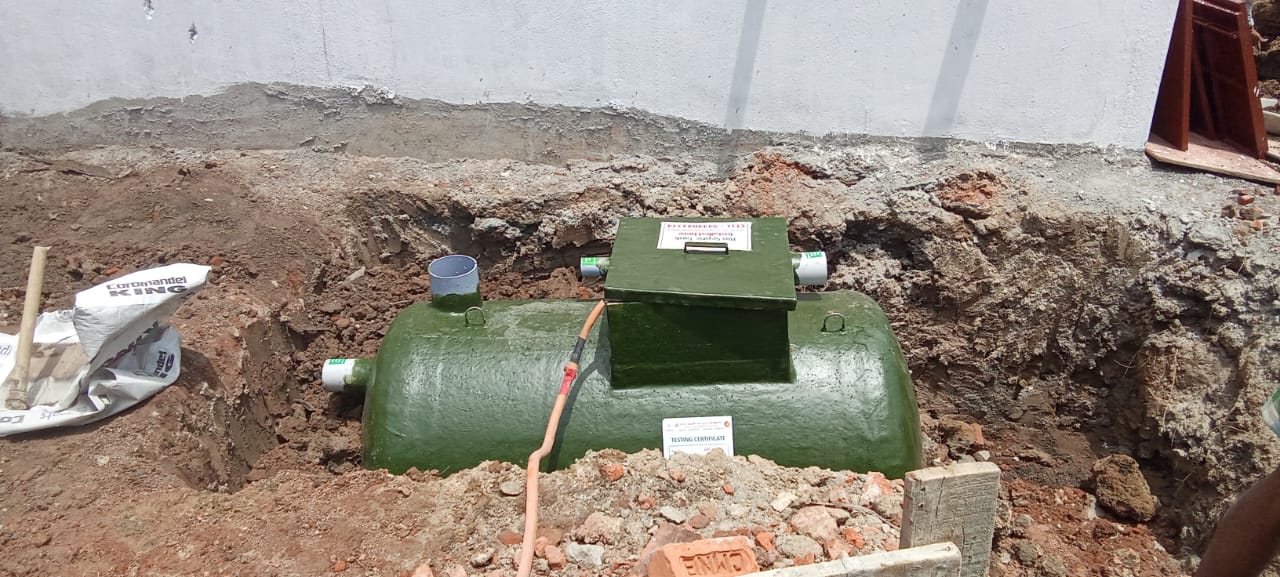
A bio septic tank system represents modern biological treatment technology. Unlike traditional systems, it introduces oxygen into the tank, creating an aerobic environment. This supports rapid bacterial growth and faster waste breakdown.
The enhanced wastewater treatment system allows aerobic bacteria to digest organic matter efficiently, reducing sludge formation and producing cleaner effluent. This makes it a highly eco-friendly septic solution.
Bio Septic Tank Advantages
Improved wastewater treatment efficiency
Compact septic tank design
Reduced sludge formation
Lower groundwater contamination risk
Odor-free septic tank operation
Suitable for small plots
Because of the advanced bio-digestion technology, bio septic tanks treat waste internally instead of depending on large soil drainfields. This makes them ideal for urban homes and commercial properties.
Biodigester Tank: How Is It Different?
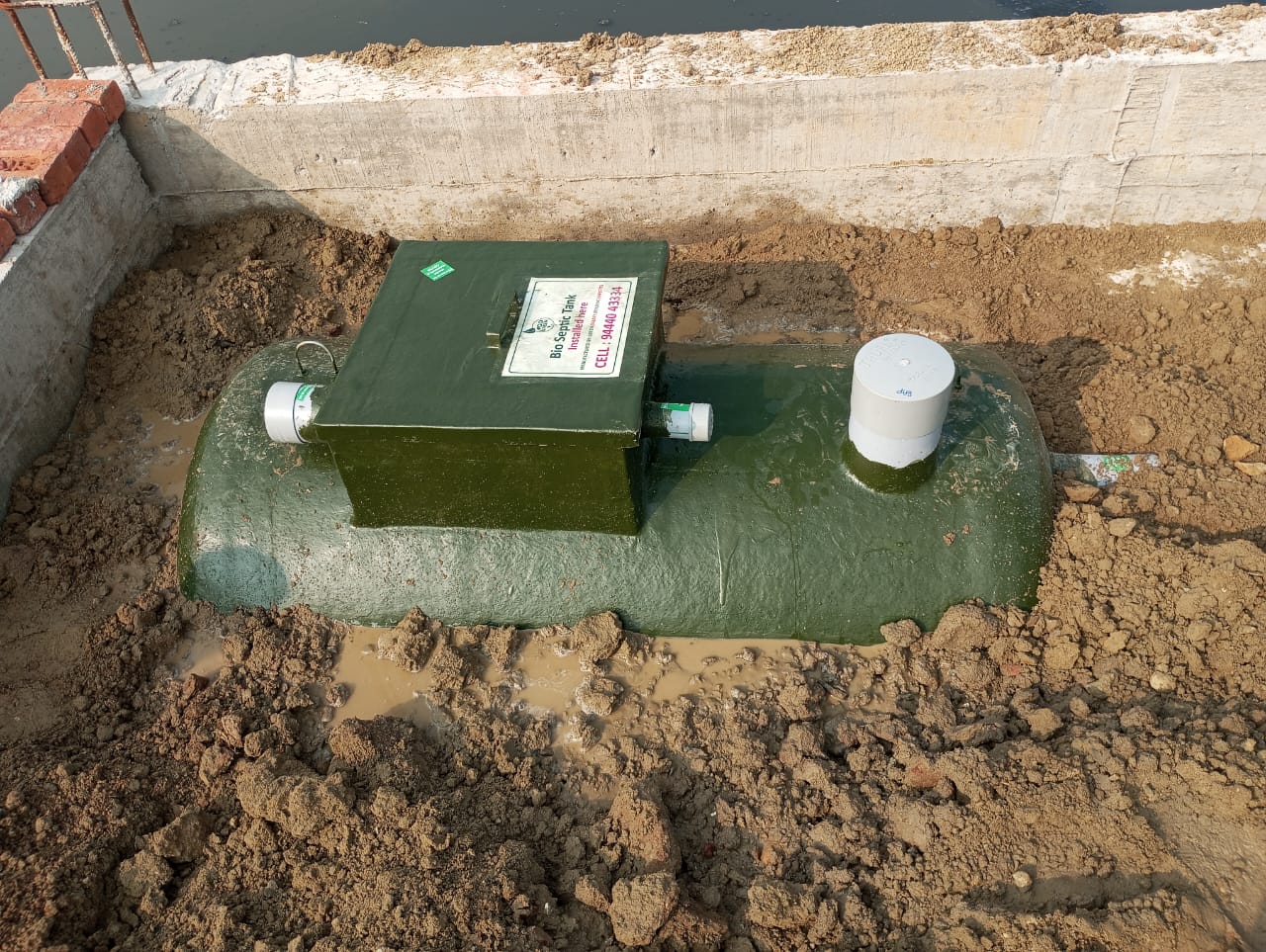
A biodigester tank uses controlled anaerobic digestion process to break down waste and produce biogas. In the biodigester vs septic tank comparison, biodigesters go one step further by generating energy from waste.
Through the digestion process, methane gas is captured and can be used for cooking or heating. This makes biodigesters attractive for rural properties, farms, and commercial operations.
However, for standard residential use, a bio septic tank usually provides the best balance between cost, simplicity, and efficiency.
Installation Cost Comparison in 2026
Traditional Septic System Installation
Initial costs may appear lower. However, installation depends heavily on soil quality. If the land fails percolation testing, engineered drainfields or mound systems significantly increase the budget.
Typical costs include:
Tank purchase and installation
Drainfield construction
Soil testing and permits
Engineering approvals
If soil conditions are ideal, installation is affordable. If not, costs rise quickly.
Bio Septic Tank Installation
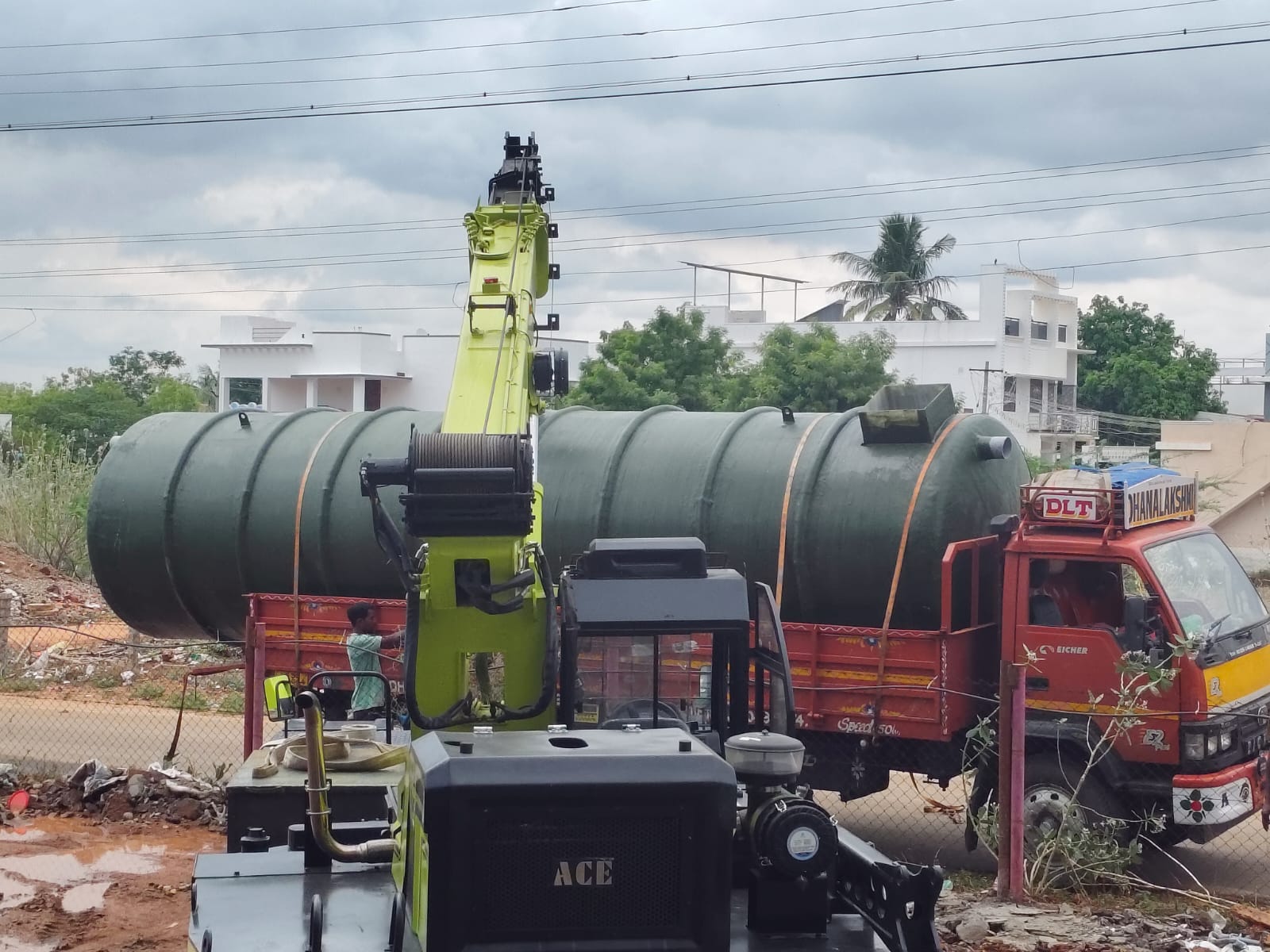
A bio septic tank installation may cost slightly more upfront due to aeration systems and control units. However, since it does not require extensive drainfield space, total project costs can be competitive.
In locations with poor soil conditions, bio septic systems often become the more economical solution.
Long-Term Maintenance & Operational Cost
Traditional Septic Tank Maintenance Cost
Maintenance is less frequent but can become expensive if neglected.
Sludge pumping every 3–5 years
Drainfield inspections
Risk of full system replacement
Limited early warning before failure
Drainfield replacement is one of the highest long-term risks.
Bio Septic Tank Maintenance
Bio septic systems require:
Annual servicing
Aerator electricity usage
Periodic inspection of control panels
Sludge removal every 5–7 years
While there is an operational cost due to electricity, the reduced sludge formation lowers pumping frequency. More importantly, early detection of issues prevents expensive failures.
Over a 15–20 year period, many homeowners find that bio septic tanks provide better long-term maintenance savings.
Environmental Impact & Sustainability
In 2026, sustainability plays a major role in decision-making.
Traditional systems discharge partially treated water into soil. If soil conditions are poor, this increases the risk of environmental pollution and groundwater contamination.
Bio septic tanks function as a sustainable sanitation system by producing highly treated effluent. This reduces harmful pathogens and nitrogen levels, protecting the environment.
Many regions now prefer advanced treatment systems due to stricter environmental regulations. Investing in bio technology today can prevent compliance issues tomorrow.
Space Requirements
Traditional septic systems require significant land area for drainfields and reserve zones. This makes them unsuitable for compact residential plots.
Bio septic tanks offer a compact wastewater treatment system design, requiring significantly less land. This makes them ideal for:
Urban homes
Small residential lots
Commercial properties
Areas with limited space
If land is limited, the decision becomes straightforward.
Performance & Efficiency Comparison
When comparing bio septic tank vs traditional septic system, performance is a key factor.
Traditional systems rely heavily on soil conditions and slow bacterial activity. Their treatment efficiency is moderate and varies by site.
Bio septic tanks provide:
Faster waste breakdown
Improved wastewater treatment efficiency
Better odor control
Higher pollutant reduction rates
This consistency makes them a reliable residential septic solution in diverse conditions.
Which System Saves More Money in 2026?
If your property has excellent soil conditions and ample land, a traditional septic system may still offer lower upfront costs.
However, when you consider:
Installation cost comparison in challenging soil
Sludge removal frequency
Long-term maintenance savings
Reduced risk of catastrophic failure
Lower groundwater contamination risk
Environmental compliance
Compact septic tank design
The bio septic tank system often proves to be the smarter financial choice.
While biodigesters offer energy generation benefits, for most homeowners, bio septic tanks provide the best balance of affordability, performance, and sustainability.
Final Conclusion
The real savings in 2026 are not just about initial installation costs. They’re about 15–20 years of reliable performance, minimal environmental risk, and predictable maintenance expenses.
A traditional septic system may work well under ideal conditions. But in modern residential and commercial settings, bio septic tanks offer improved wastewater treatment efficiency, reduced sludge formation, and better environmental protection.
If you’re looking for a future-ready, eco-friendly septic solution that protects both your property and your wallet, a bio septic tank is the smarter long-term investment.
FAQS
A bio septic tank system is generally better for long-term savings, environmental protection, and small land areas. While a traditional septic system may have lower upfront cost in ideal soil conditions, bio septic tanks offer improved wastewater treatment efficiency, reduced sludge formation, and lower groundwater contamination risk.
The difference between biodigester and septic tank lies in their treatment process and output. A biodigester tank uses controlled anaerobic digestion to produce biogas and fertilizer, while a traditional septic tank only separates and partially treats sewage. Bio septic tanks, on the other hand, use aerobic bacteria for faster and cleaner waste treatment.
Yes. A bio septic tank uses an aerator pump to introduce oxygen into the tank for biological treatment technology. This increases operational cost slightly but ensures faster waste breakdown and better effluent quality compared to traditional systems.
Traditional septic systems typically require sludge removal every 3–5 years. In contrast, bio septic tanks have reduced sludge formation and may require pumping only every 5–7 years, along with annual servicing to maintain optimal performance.
Yes. Unlike traditional septic systems that depend heavily on soil absorption through drainfields, bio septic tanks function as a compact wastewater treatment system. They are ideal for small plots, high water table areas, and locations where soil percolation is poor.